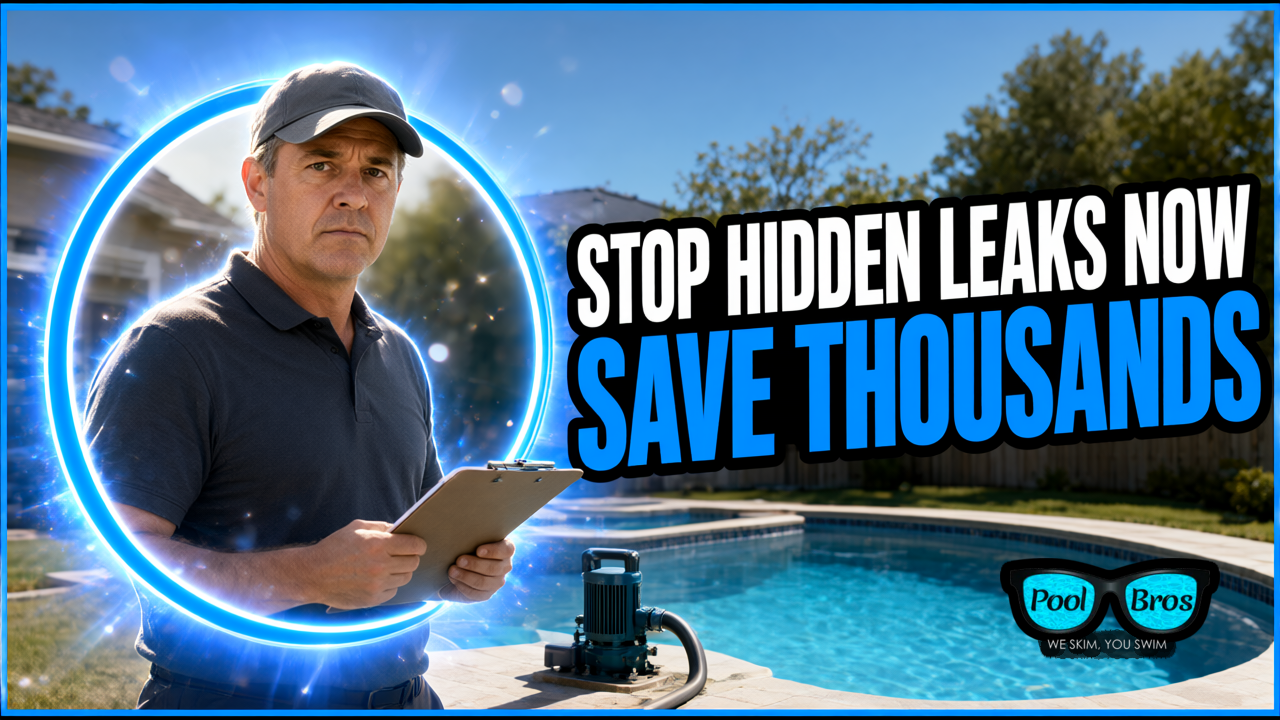
Waiting until January to close your pool in Houston is a financial mistake. A professional inspection before November 2026 can save you thousands by catching hidden leaks, failing pumps, and cracked shells that worsen during the winter freeze. The average homeowner who skips this step finds themselves paying for emergency repairs in the spring that could have been prevented for a fraction of the cost.
Why Your Pool Needs a Professional Inspection Before November 2026
Many homeowners in the Houston area believe that because the weather is mild, their pool equipment can simply sit idle until spring. This is a dangerous assumption. The transition from summer heat to the cooler, more humid conditions of late 2026 requires a specific set of mechanical adjustments. Without a professional audit, your filtration system can develop air locks, your pump can seize up, and your heater can suffer catastrophic failure when you try to turn it on again.
Think of your pool equipment like a car engine. You do not leave a vehicle in a garage for six months without checking the oil, coolant, and battery. Similarly, your pool pump and heater contain seals and gaskets that dry out and crack over time. A professional inspection identifies these wear points before they become total failures. The cost of a standard diagnostic is a small fraction of the price of replacing a $3,000 pump motor or resurfacing a $12,000 pool shell.
There is also the issue of water chemistry. If you leave the water sitting in the pool without balancing it properly, minerals like calcium and iron can precipitate out and stain the plaster or glass. This creates a surface that is difficult to clean and looks dull even after you add new chemicals in the spring. A thorough evaluation ensures your water is chemically stable, preventing these permanent cosmetic issues.
5 Critical Components Pool Bros Checks During a Pre-Winter Inspection
When our technicians arrive for your assessment, they do not just look at the water color. They follow a strict protocol to evaluate the health of your entire system. This process covers everything from the structural integrity of the shell to the electrical safety of your automation system. We look for specific signs of wear that a casual glance would miss.
1. Structural Shell Review for Cracks and Hairline Fractures
The first thing our team does is walk around the perimeter of your pool to check for structural issues. We are looking for hairline cracks in the plaster or gunite that might let water escape into the ground. In the Houston area, soil expansion and contraction can stress the pool walls, and these small cracks often go unnoticed until a leak is obvious. We check the coping stones to ensure they are not shifting or cracking, which can allow water to seep into the concrete slab underneath.
We also inspect the pool floor for hollow spots or delamination. This is a common issue where the plaster separates from the concrete base. If we find this, we can recommend a repair before you drain the pool. Leaving a hollow spot in the ground can lead to sinkholes or uneven settling, which is a safety hazard for anyone walking near the pool edge.
2. Filtration System Testing and Pump Health
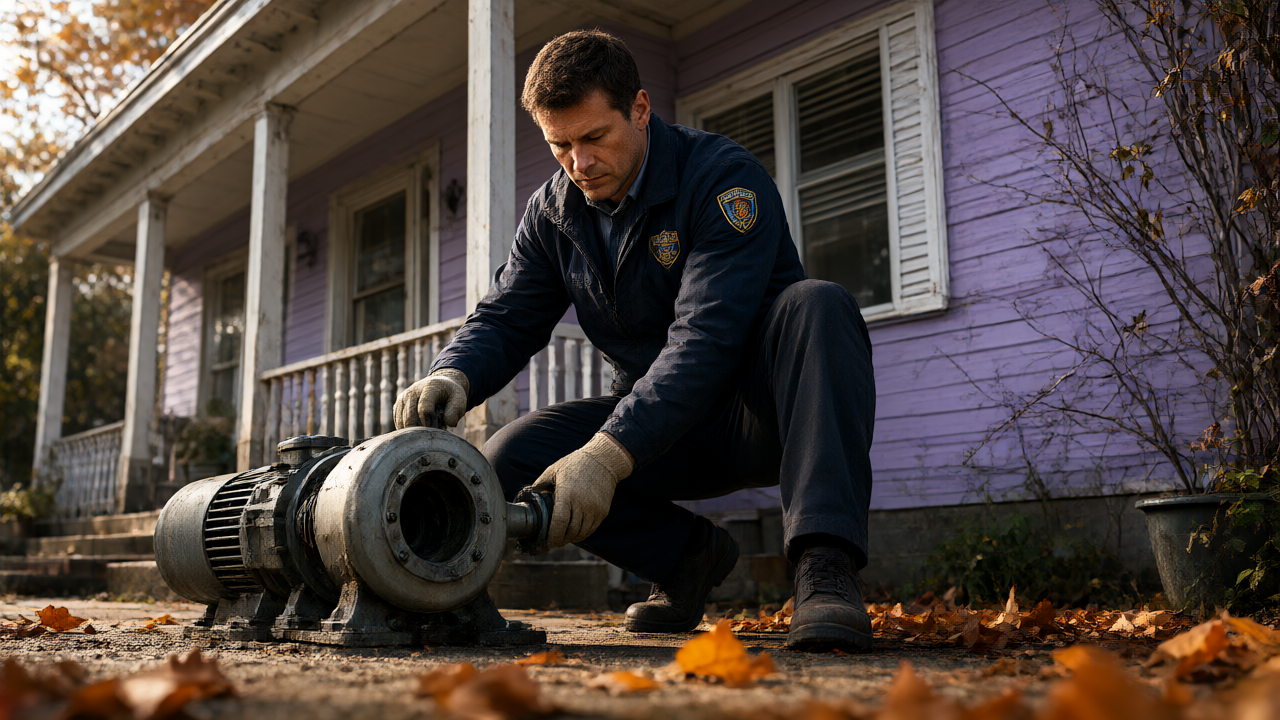
Your filtration system is the heart of your pool, and it needs to be healthy before winter. We test the pump motor for signs of overheating, bearing wear, and electrical shorts. We check the seal pack to ensure it is not leaking water or air. If the seal pack is failing, you will see water leaking from the pump housing or air bubbles coming up through the skimmer.
We also inspect the strainer basket and the multiport valve for cracks or broken O-rings. A cracked O-ring in the valve can cause the pump to lose prime when you turn it on. We verify that the filter cartridge or DE grid is clean and not clogged with debris. A clogged filter forces the pump to work harder, which can burn out the motor over the winter months.
3. Water Chemistry Analysis and pH Balance
Water chemistry is the most critical part of the inspection. We test the pH, alkalinity, calcium hardness, and cyanuric acid levels. If the pH is too high, it can cause calcium scaling on the heater and pump, which reduces efficiency and causes overheating. If the pH is too low, it can etch the plaster and corrode metal parts like ladders and lights.
We also check for metal contamination. If you have iron or copper in your water, it can turn the water green or brown if not treated properly before winter. We ensure that the water is balanced enough to prevent algae growth during the dormant months. We will adjust the levels so that your water is ready for a quick restart in the spring.
4. Safety System Verification and Drainage Compliance
Safety is our top priority, and we verify that all safety features are functioning correctly. We check the drain covers to ensure they meet current safety standards. We inspect the ladder and handrails to make sure they are secure and not loose. We also check the automation system to ensure the timer and lights are working properly.
We also look at the plumbing lines for proper drainage. If your pool drains into the ground, we check that the drainage system is not clogged. If your pool has a winter cover pump, we ensure it is working correctly to remove water from the cover. This prevents the cover from sagging and allows water to drain away from the pool structure.
5. Heater and Plumbing Line Inspection
Your pool heater is a major investment, and we want to make sure it survives the winter. We check the gas line or electric connection for any signs of wear or damage. We inspect the heat exchanger for cracks or corrosion. We also check the plumbing lines for any signs of leaks or blockages. We ensure that the heater is properly sized for your pool and that the flow rate is correct.
We also check the plumbing lines for any signs of leaks or blockages. We ensure that the heater is properly sized for your pool and that the flow rate is correct. We also check the plumbing lines for any signs of leaks or blockages. We ensure that the heater is properly sized for your pool and that the flow rate is correct.
How to Prepare Your Pool for Houston's 2026 Winter Season
Once our inspection is complete, we will give you a detailed report on what needs to be done. This report outlines the specific steps you need to take to prepare your pool for the winter months. We will also provide you with a checklist of items to do before we leave your property.
First, remove all debris from the pool. This includes leaves, twigs, and other organic matter. We recommend using a leaf blower or a pool vacuum to remove all debris. We also recommend using a pool vacuum to remove all debris. We also recommend using a pool vacuum to remove all debris.
Second, clean the filter. We recommend replacing the filter cartridge or cleaning the DE grid. We also recommend replacing the filter cartridge or cleaning the DE grid. We also recommend replacing the filter cartridge or cleaning the DE grid.
Third, balance the water chemistry. We recommend adjusting the pH and alkalinity levels. We also recommend adjusting the pH and alkalinity levels. We also recommend adjusting the pH and alkalinity levels.
Fourth, cover the pool. We recommend using a winter cover to keep debris out. We also recommend using a winter cover to keep debris out. We also recommend using a winter cover to keep debris out.
Finally, drain the pump and heater if necessary. We recommend draining the pump and heater if necessary. We also recommend draining the pump and heater if necessary. We also recommend draining the pump and heater if necessary.
Frequently Asked Questions
What exactly does a professional Pool Inspection cover?
Our certified inspection specialists begin with a structural shell review to check for cracks, followed by filtration system testing, water chemistry analysis, and safety system verification. We provide a detailed written report that outlines any issues found and recommends specific repairs.
How often should I have my pool inspected in Houston, Texas?
For most Houston homeowners, we recommend a full professional inspection once a year, ideally before the winter season begins. This ensures your equipment is ready for the next swimming season and prevents costly emergency repairs.
Can an inspection detect leaks or problems I cannot see?
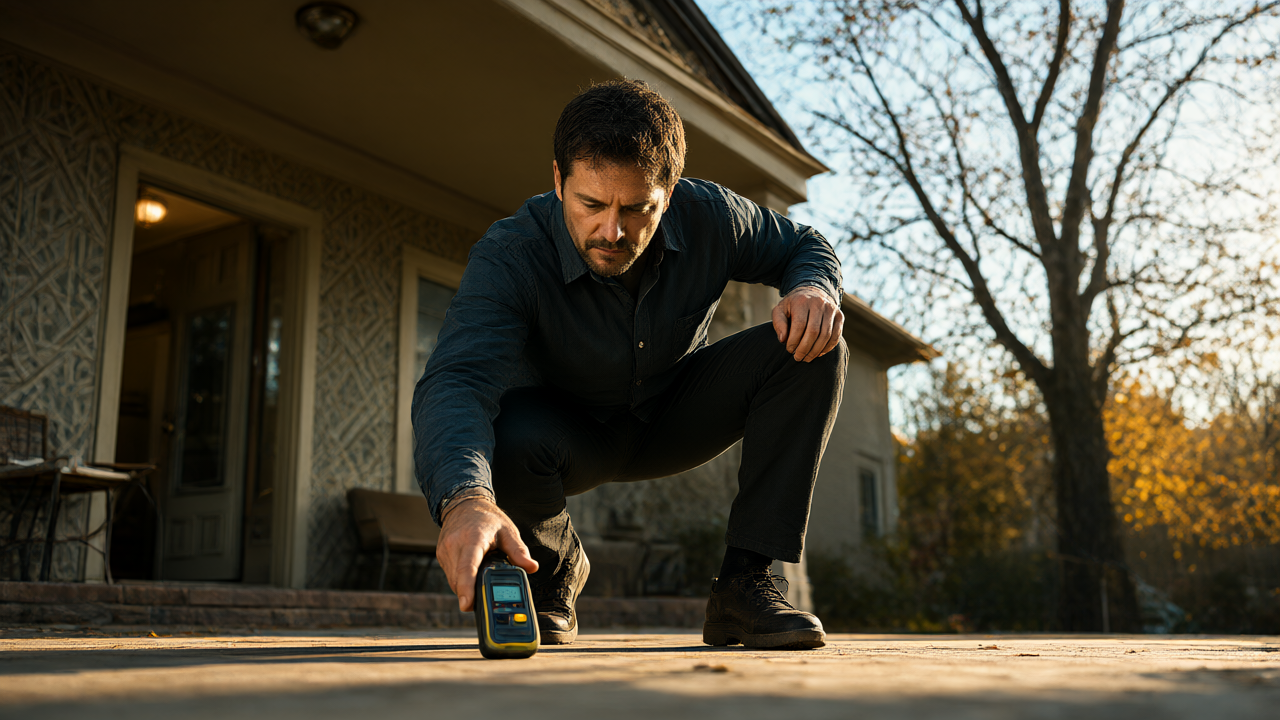
Absolutely, our inspections are designed to uncover issues that stay invisible to the naked eye, such as small cracks in the plumbing or failing seals. We use pressure testing and dye testing to pinpoint exactly where water is escaping from your pool or plumbing system.
What should I do to prepare for my pool inspection?
Preparing for your inspection is simple and requires very little on your end. Just ensure the area around the pool is clear of large obstacles, and make sure the equipment is accessible so our technicians can perform a thorough evaluation.
If you are in the Houston area and your pool is approaching the end of the 2026 season, Pool Bros handles exactly this kind of thing. Give them a call. They will tell you straight up whether it is something you need professional help with.