A pool pump that hums like a lawnmower in November is usually fine, but if your unit sounds like it's grinding gravel or whining at 30 decibels above normal, you are looking at a failing motor. In the Houston area, where humidity and heat stress equipment year round, these warning signs rarely appear suddenly. By late 2026, many homeowners notice their pumps struggling to prime after a summer of heavy use, but they often wait until the water stops circulating entirely before calling for help. That delay costs you thousands in energy bills and damages your pool's filtration system.
The Loud Humming Sound: Why Your Pool Pump Won't Start This Fall
When you hear a low-frequency hum that never transitions into the sound of water moving through the pipes, your pump is likely seized. A healthy pump motor spins freely when you touch it with a non-conductive stick while it is off, but a failing motor feels stiff or locked up. This stiffness often happens because the bearings inside the motor have worn down from continuous operation during the 2025 and early 2026 swimming seasons. In Houston, the high heat causes lubrication to break down faster than in cooler climates, leading to friction that seizes the impeller shaft.
Ignoring this hum until the pump stops completely is a mistake because it signals impending total failure. Once the motor seizes, you are no longer looking at a simple repair; you are facing a replacement scenario that costs significantly more. A seized motor often requires replacing the entire pump housing or buying a new unit entirely, which can range from $1,500 to $3,000 depending on your model and brand. Waiting for the silence of a dead pump means you lose the ability to filter water, leading to algae blooms that are nearly impossible to remove without professional intervention.
Before calling for service, perform a simple visual check. Look at the strainer basket inside the pump lid. If it is clogged with leaves or debris from the fall season, cleaning it might restore function. However, if you clean the basket and the motor still hums without spinning, the issue is mechanical inside the casing. This is not something a homeowner can fix with basic tools. You need a technician who specializes in equipment diagnostics to determine if the shaft is bent or if the bearings are destroyed.

Overheating Motors in Houston Heat: What It Means for Your Warranty
Your pool pump motor runs hot, but it should not feel like an oven. If you touch the motor housing and it burns your skin within seconds, the internal thermal protection has likely triggered a shutdown cycle. This overheating is often caused by restricted water flow, which prevents the motor from cooling down properly. In Houston summers, if your filter was clogged or your pump was running short-cycling due to a low pressure switch issue, the motor overheats repeatedly. This repeated stress can void your manufacturer's warranty because it indicates improper operation.
When a motor overheats frequently, the internal windings begin to degrade. Copper wire insulation breaks down under high heat, leading to electrical shorts that destroy the motor coil. A technician can test this with a multimeter to check for continuity and resistance. If the resistance is out of spec, the motor has failed electrically and cannot be repaired. Replacing a standard 1 horsepower pump motor in the Houston market typically costs between $600 and $900 for parts alone, plus labor. This expense often pushes homeowners toward replacing the entire pump unit to ensure reliability.
Another sign of overheating is a burning smell coming from the pump area. This indicates that the electrical components are frying due to excess heat or loose wiring connections. Loose wire terminals create high resistance points that generate intense localized heat, melting insulation and creating fire hazards. If you detect this smell, turn off the pump immediately at the breaker box. Do not attempt to restart it until a certified professional has inspected the electrical connections. This is a safety issue that goes beyond simple maintenance.
Air Bubbles and Loss of Pressure: Diagnosing a Worn Seal Before It Breaks
Seeing air bubbles in your skimmer or return lines while the pump is running indicates a vacuum leak or a failing seal. When water pressure drops below a certain threshold, the pump loses its prime and starts pulling air from the atmosphere instead of circulating pool water. This loss of pressure often happens when the mechanical seal on the motor shaft wears down after years of exposure to chlorine and saltwater. A worn seal allows air to seep in through the shaft opening, disrupting the hydraulic balance required for efficient pumping.
Loss of pressure also manifests as a drop in your gauge reading from 10 psi down to single digits. If your filter is clean and there are no leaks in the plumbing lines, this drop points directly to a failing impeller or seal assembly. The impeller might be worn smooth from debris damage, reducing its ability to create suction. In these cases, a repair involves replacing the shaft seal and inspecting the impeller for erosion. This repair is often covered under warranty if you have an extended service plan, but standard warranties usually exclude wear and tear on seals.
Before assuming the worst, check your pressure gauge to see if it fluctuates wildly. If the needle jumps up and down, you might have a blockage in the suction line or a leaking basket strainer lid O-ring. A simple replacement of the O-ring can restore proper pressure without needing major repairs. However, if the bubbles persist after cleaning the basket and tightening all connections, the internal seal is likely compromised. This condition requires a technician to disassemble the pump housing to replace the seal kit, which typically takes about two hours of labor.
Repair vs. Replace: When to Call Pool Bros for Immediate Service
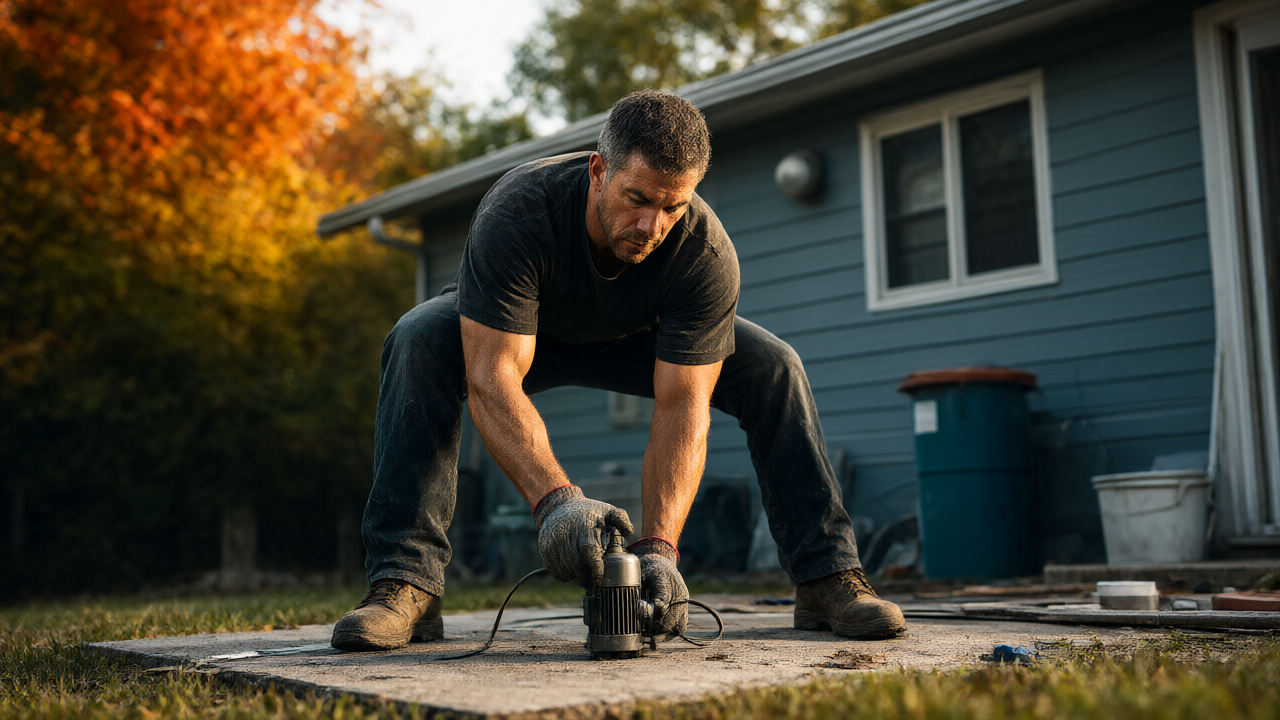
Deciding whether to repair or replace your pool pump depends on the age of the unit and the cost of the repair. If your pump is less than five years old, repairing a seized motor or replacing a worn seal is usually the most economical choice. A complete pump repair and restoration package from Pool Bros covers these internal component replacements without needing to buy a new unit. For older pumps nearing the end of their lifespan, replacement might be more cost effective in the long run because new energy efficient models can reduce your electricity bill by 30 percent.
Pool Bros technicians are trained to diagnose exactly which path is right for your situation. They start with a diagnostic assessment visit to test electrical and mechanical components before quoting a price. This process ensures you don't pay for unnecessary parts or labor. Their team services all major brands, from Hayward and Pentair to Jandy and Sta Rite, so they can often repair your existing unit rather than forcing a replacement. This approach saves you money and keeps your familiar equipment running smoothly.
When you need immediate service in Houston, Baytown, or Bellaire, Pool Bros prioritizes emergency calls because a failed pump disrupts your entire routine. Their technicians arrive with the necessary parts to fix common issues like seal replacements or motor rewinds on the spot. If your pump is beyond repair, they can help you select a new unit that fits your budget and energy needs. Don't wait for the water to turn green or the motor to stop working entirely.
Frequently Asked Questions
How do I know if my pool pump actually needs repair or if it should just be replaced?
The honest answer depends entirely on what our diagnostic testing reveals once we are on site. We check the age of the unit, the cost of parts, and whether the motor can be rewound to restore function.What are the most common signs that my pool pump is failing?
The warning signs usually show up well before a pump quits entirely, and catching them early saves you money. Look for loud humming noises, excessive heat, air bubbles in the lines, or a sudden drop in pressure.How long does a typical Pool Pump Repair take, and will my pool be out of service the whole time?
Most pump repairs we handle in Houston are completed in a single visit, usually within a couple of hours once we arrive. We work efficiently to get your water circulating again as soon as possible.Can you repair my pump brand, or do I need to replace it with the same model?
We repair every major pump brand and model, from Hayward and Pentair to Jandy, Sta Rite, and Waterway. Our technicians service all leading manufacturers so you don't have to buy a new unit if a fix is possible.If you are in the Houston area and your pool pump is making strange noises or losing pressure, Pool Bros handles exactly this kind of thing. Give them a call. They'll tell you straight up whether it's something you need professional help with or if it can be fixed quickly.